For the individual assignments I chose to investigate the science of virality. Without knowing which influencer I’d analyse and interview, I chose to pick up on my reading for the class.
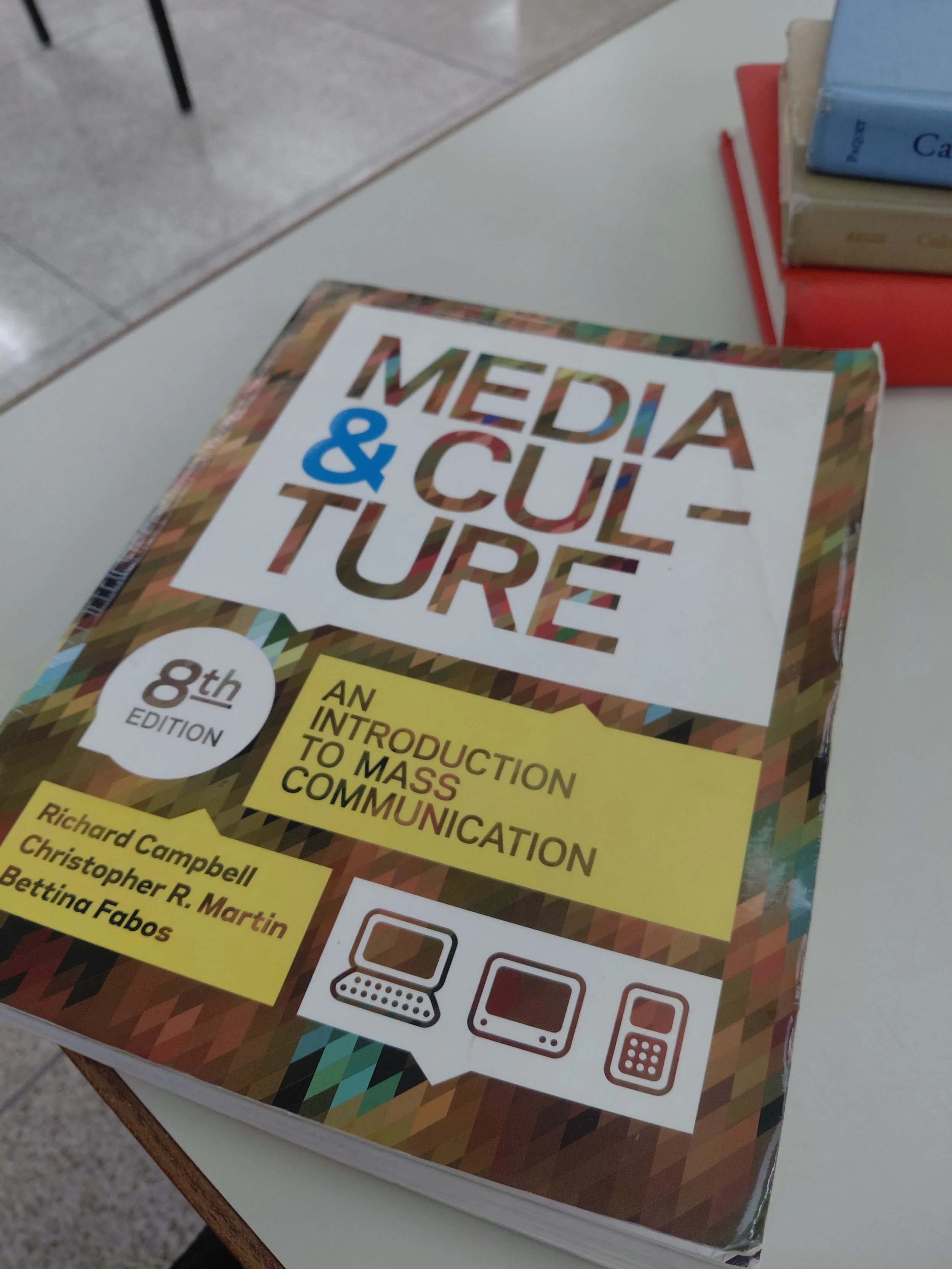
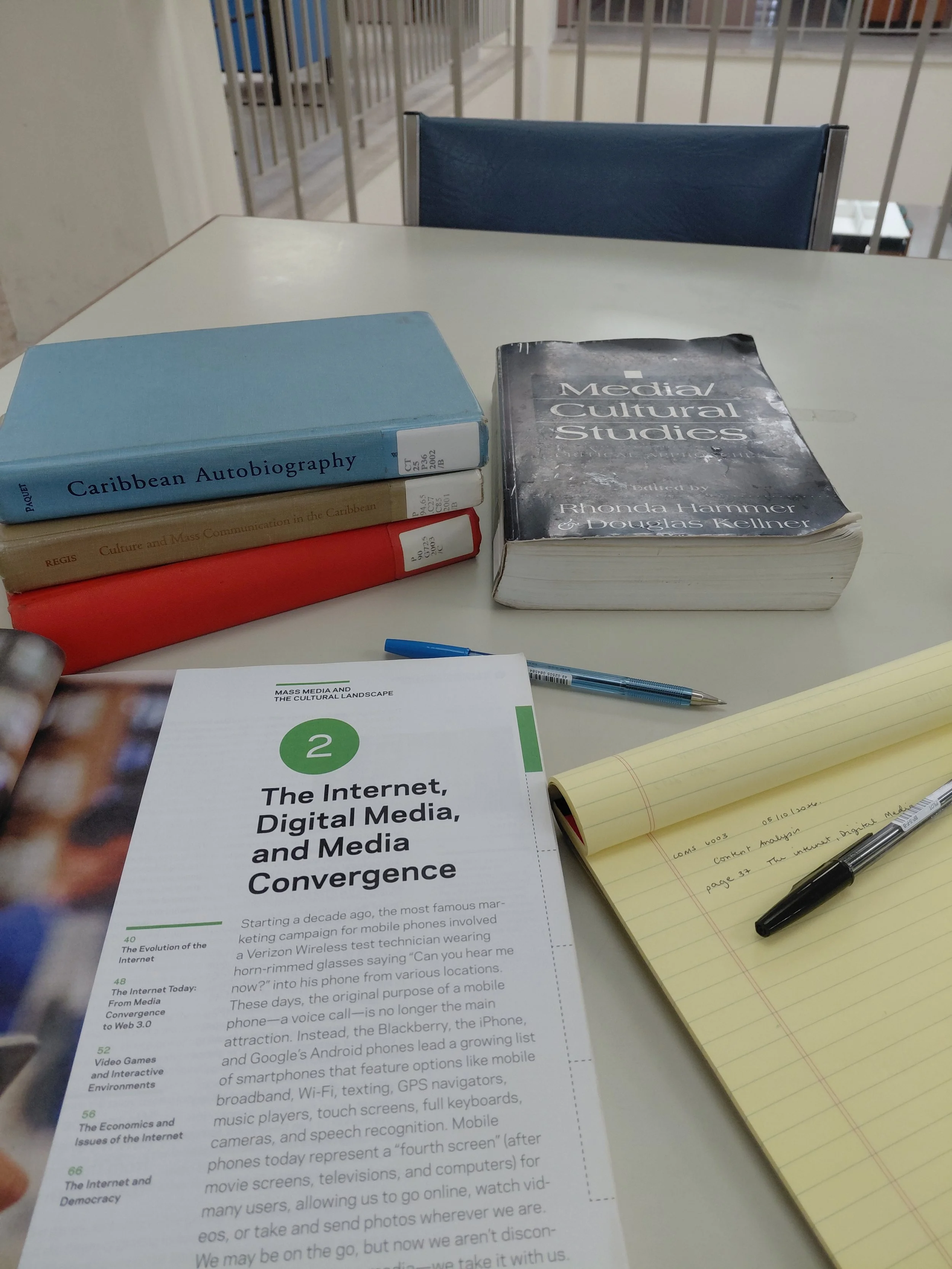
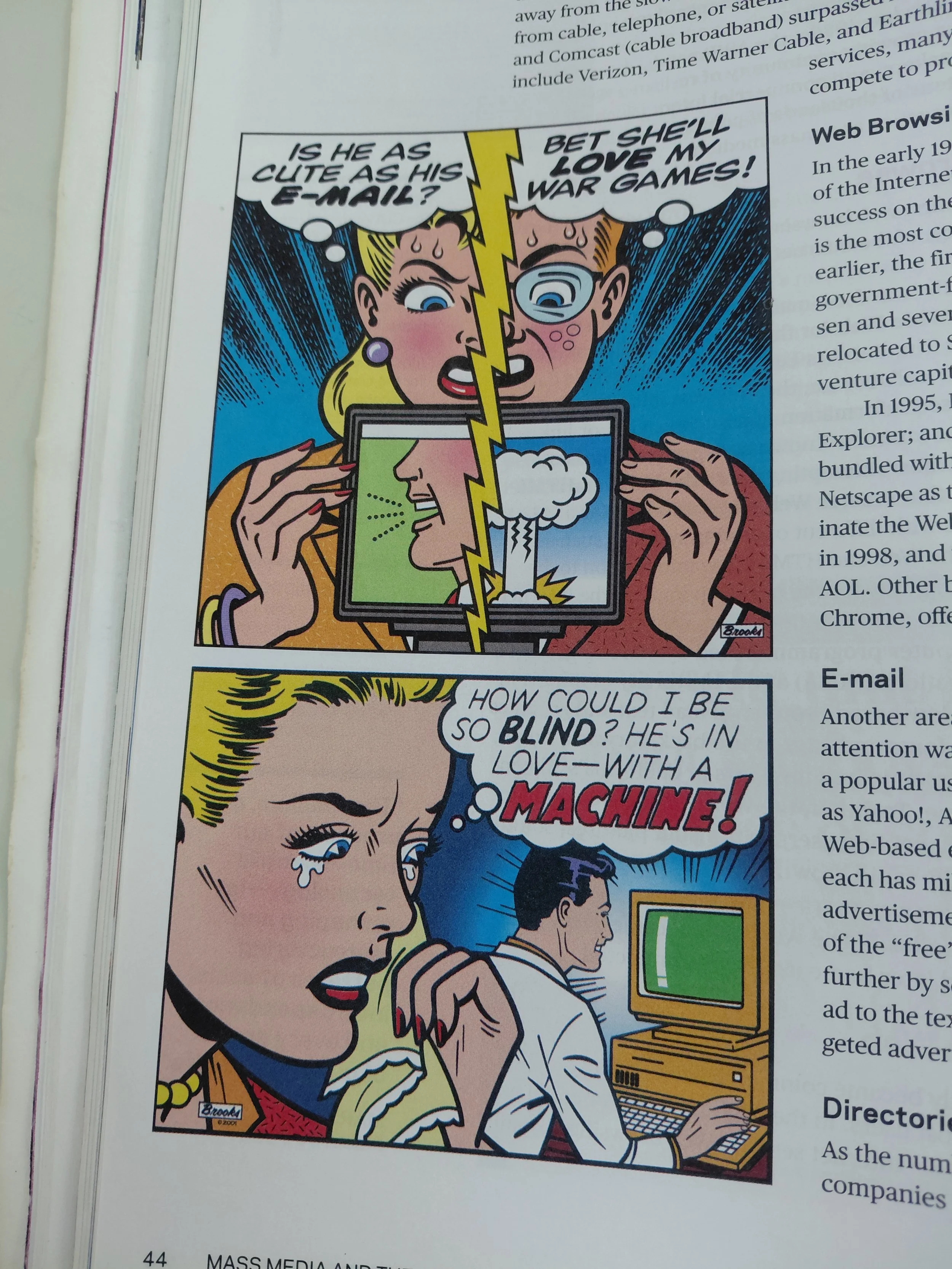
Media & Culture, An Introduction to Mass Communication and its chapter on the internet was light enough to get the ball rolling. The format of the text took me back to my younger days when illustration, diagrams, and layout made reading an enjoyable pastime. Before I got to the other more serious readings on theory, I chose to stick with the chapter on the internet for a while, as a warm up. With the assignments top-of-mind and my interest in the textbook chapter locked in, I noticed something about the role of Media Convergence (and the shift in its meaning to include both concepts of convergence on media content and convergence of media format over technologies) in my preliminary research. I was still analyizing the data on my own content (at the time) and finalizing my report but the early signals on user-behaviour and digital content stood out. Media Convergence was changing the way we review and engage with story. It affected the way stories were conceptualized and published. Algorithm determined the ways in which we came across these stories and identified what media was to be shared, commented, remixed, dubbed. That was a requirement far beyond reading, analyzing, and critiquing. Content asked more of its audience, and the users scrolling on their phones and tablets complied.
The topic of Virality and Globalization surfaced for me during the Individual Content Creation Assignment. I’ve followed Buzzfeed and Vox Media during my time at Caribbean Ideas and Digicel’s Trend Media looking closely at their models around content distribution trying to understand what they were doing in their content/ newsrooms to achieve the high engagement on their work. Dao Nguyen, was the Publisher at Buzzfeed at the time and her Ted Talk always stood out. I remembered it when my research on the individual assignment started.
Referring to my assignment discussion, I cited Nguyen’s point on the centre of virality:
Nguyen clearly identified the audience as the centre of virality’s anthropological experiment and summarized that connection facilitates virality over content’s metadata. In other words: virality in social media content is an extension of interpersonal communication facilitated over thoughtfully made content.
Thereafter, I pointed out an observation made on evidence of Globalization:
Media hybridization and homogenization: Corporate models such as cultural cartography are adapted to replicate virality. Media production becomes formulaic and innovation diminishes over time. Outcomes are reproduced with the same features to deliver on key performance indicators (KPIs), removing the interpersonal communication through heavy reliance and overuse of the corporate model.
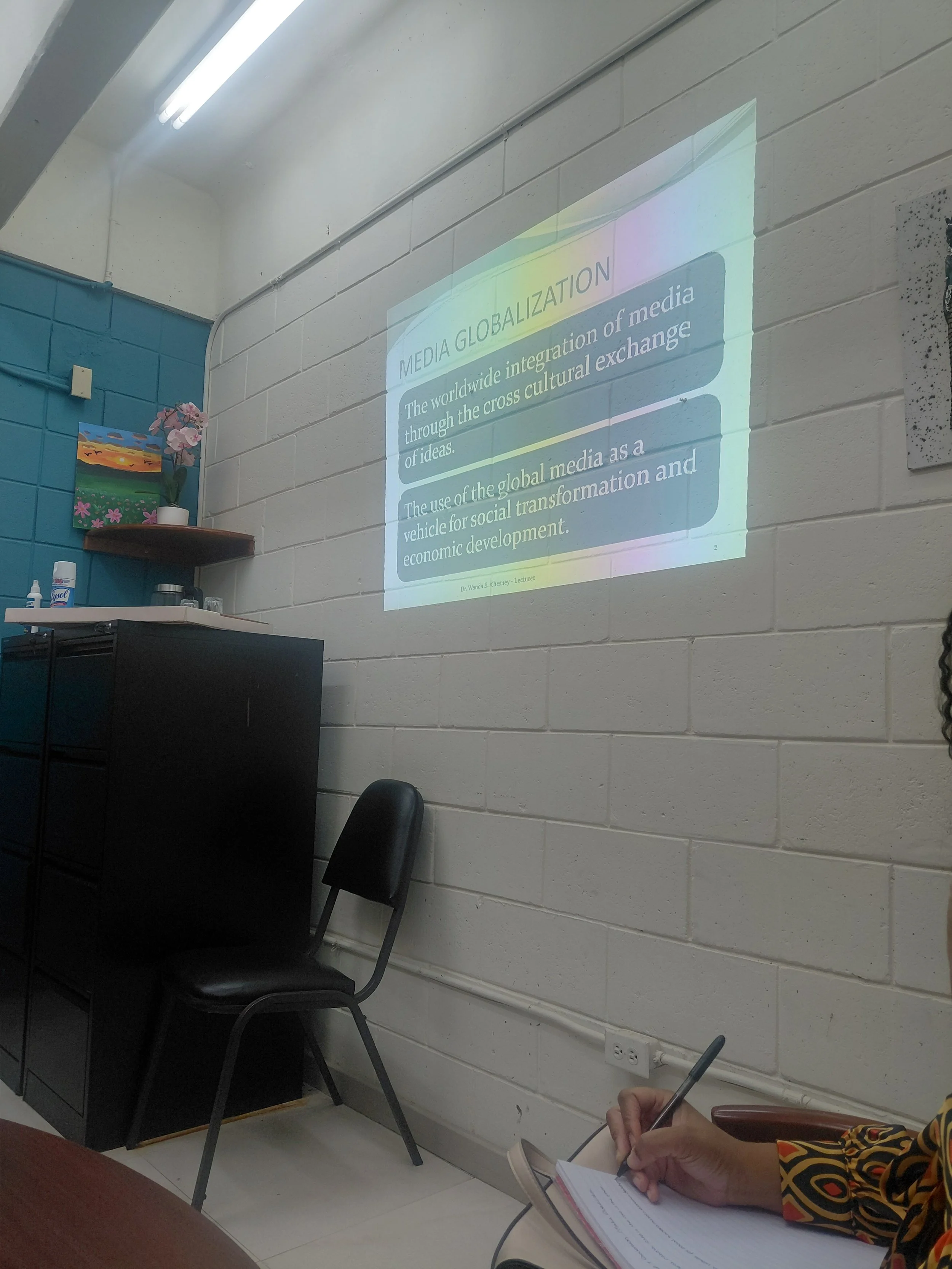
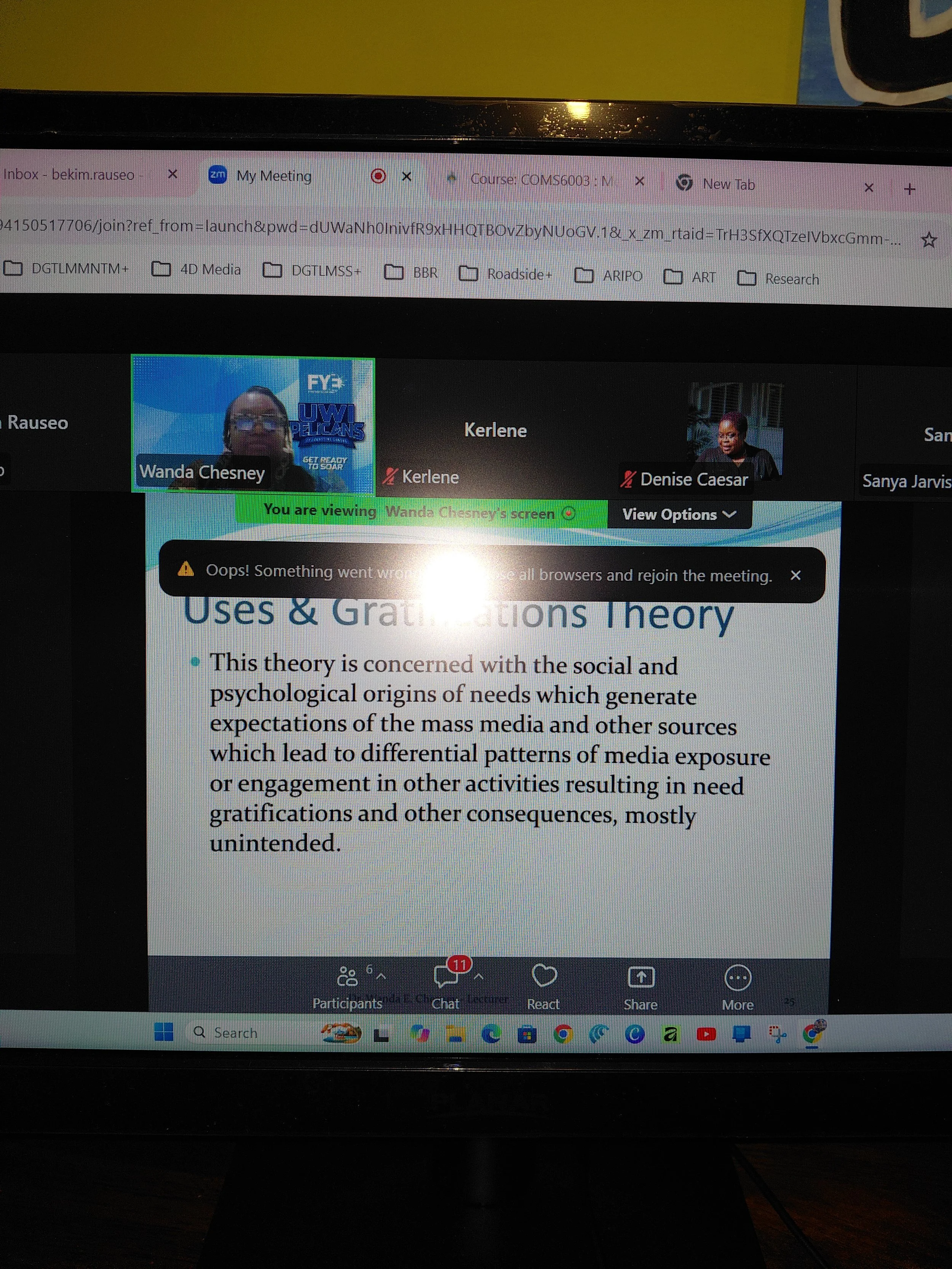
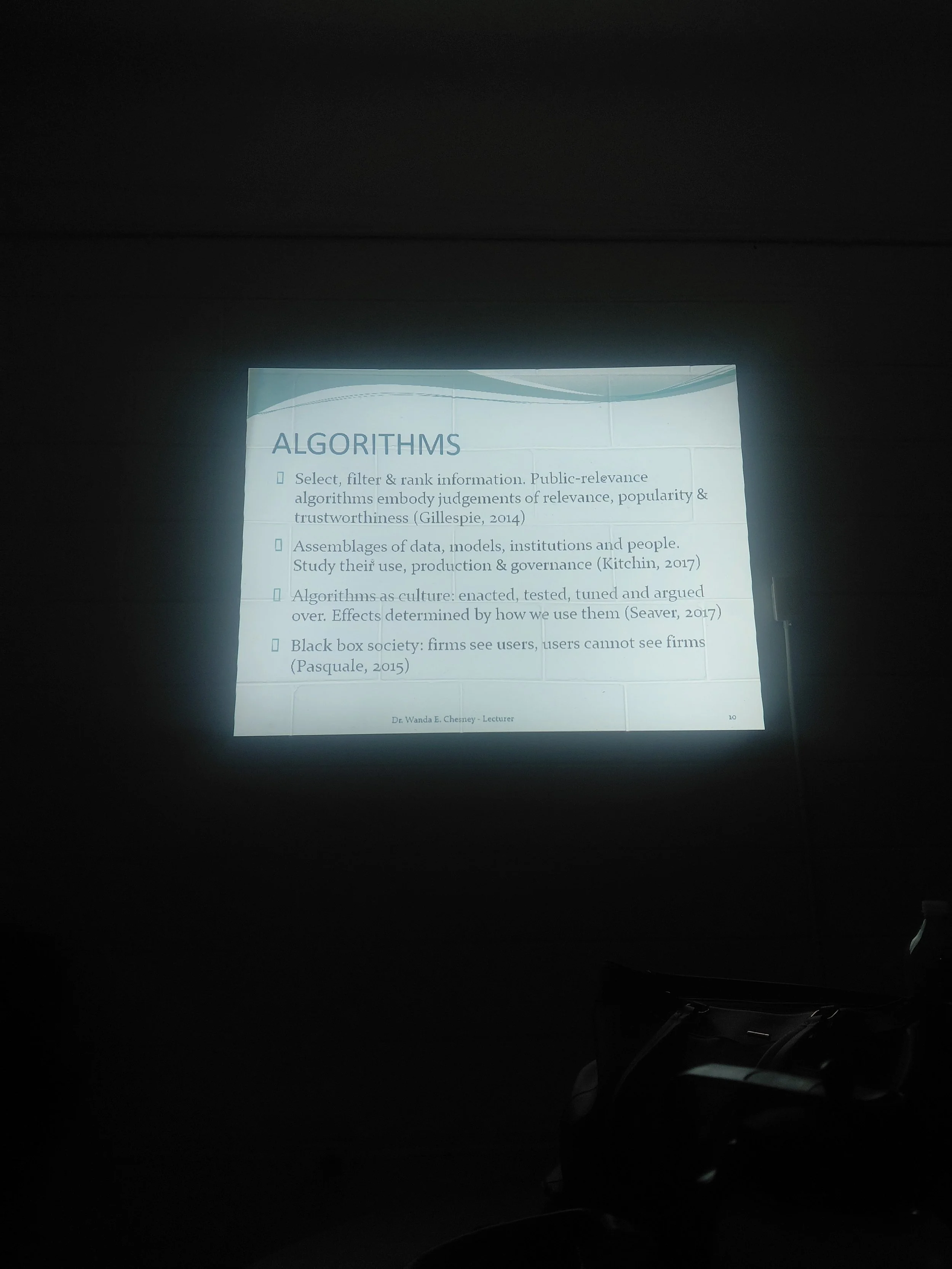
In classes we covered Globalization, Uses & Gratification Theory, and Algorithm in three separate lectures. The topic continued to follow me, and my thinking settled on my investigation in new ways: Through Globalization, the standardization of format meant that most media followed a formula that risked sameness. Users turn to social media for some form of gratification (my assumption that is is mostly for entertainment). Algorithm determines what is surfaced to users (especially new eyes) based on what has been seen or shared the most. While Nguyen identified the audience as the centre of virality, has Globalization and the commodification of content shifted that centre? We are a long way from the 2018 internet (we now have AI) and I want to argue that now internet culture in social media has positioned itself under low-hanging fruit for guaranteed results (i.e. likes, comments, shares, reposts et al). Engagement metric categories are growing. Distribution and circulation options are multiplying. Platform features are constantly modified. AI is now heavily integrated. Discernment among the users appears to be rare.